
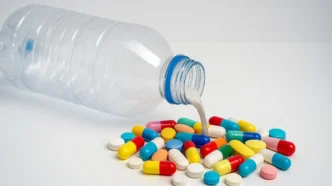
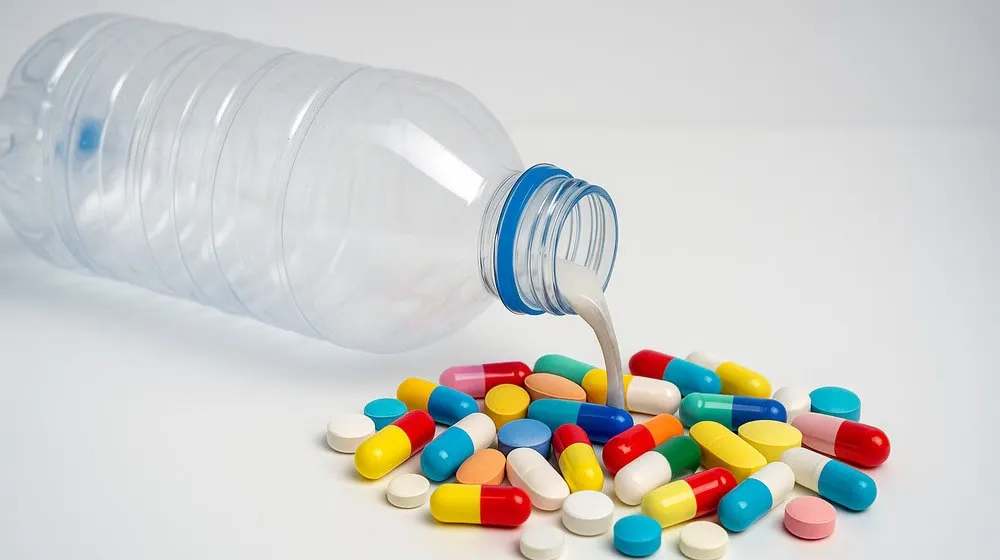
In a major breakthrough for both medicine and environmental sustainability, researchers from the University of Edinburgh have developed a method to turn plastic waste into paracetamol, the widely used painkiller also known as acetaminophen.
The findings, published in Nature Chemistry, explain how genetically engineered E. coli bacteria can convert chemicals extracted from recycled plastic bottles into paracetamol. Traditionally, the drug is made using petroleum-derived materials, but this new process offers a greener alternative by using waste plastic as the raw input.
How the Process Works
The researchers focused on polyethylene terephthalate (PET) — the plastic commonly used in soft drink and food containers. They first applied an environmentally safe chemical treatment to break PET down into a usable intermediate compound. This compound was then introduced to modified E. coli, which successfully completed the chemical conversion into paracetamol.
A First in Chemistry and Biology
One of the most remarkable aspects of the study is the discovery that a complex chemical process called the Lossen rearrangement — never before observed in living systems — could take place inside cells without damaging them. This reaction was essential in transforming the PET-derived material into the final drug.
Why It Matters
Lead researcher Professor Stephen Wallace described the development as a “win-win” for both sustainable drug manufacturing and plastic pollution reduction. He explained:
“This innovation demonstrates how we can combine chemistry and biology to produce medicines more sustainably, while also helping to reduce plastic waste.”
This pioneering work highlights the potential for circular solutions that turn environmental problems into practical resources — transforming discarded plastics into life-saving medications.
Our Opinion
Turning PET plastic waste into a common painkiller via engineered bacteria is a genuinely elegant piece of science, and the discovery that the Lossen rearrangement can occur safely inside living cells is the kind of basic-research finding that often ends up mattering well beyond its first application. The gap between a lab breakthrough published in a journal and an actual, cost-competitive manufacturing process is usually much longer than these announcements suggest, so it’s worth watching for signs of real-world scale-up rather than treating this as an imminent solution to either plastic waste or drug costs.