
Over the past week, a video of schoolgirls in distress has gone viral on social media, with many posts claiming it shows students in pain after receiving the human papillomavirus (HPV) vaccine. This claim is false. Fact-checking has confirmed that the video has no connection to the vaccination program recently launched in Pakistan. Instead, the clip comes from an entirely different incident that took place last year.
Where the Video Came From
The viral footage was recorded in May 2024 in Dadyal, Azad Jammu and Kashmir. According to local reports, the incident happened when tear gas was fired near a school during a protest. The girls in the video were reacting to the effects of the gas, not to any medical treatment.
Despite this clear background, the video has been reshared with misleading captions suggesting it shows the side effects of the HPV vaccine. Linking the footage to the ongoing immunisation drive is factually wrong and has the potential to create fear among parents.
Details of the HPV Vaccination Drive
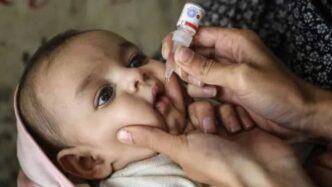
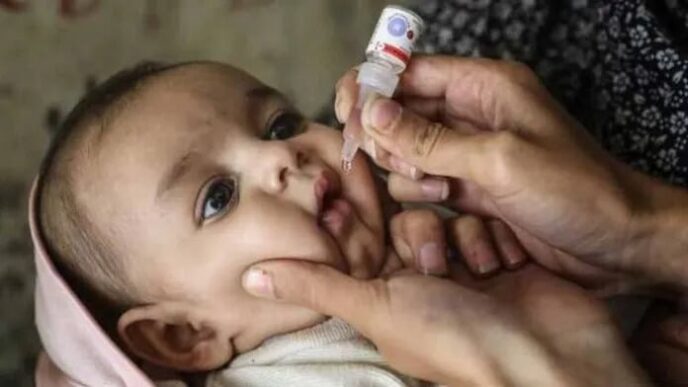
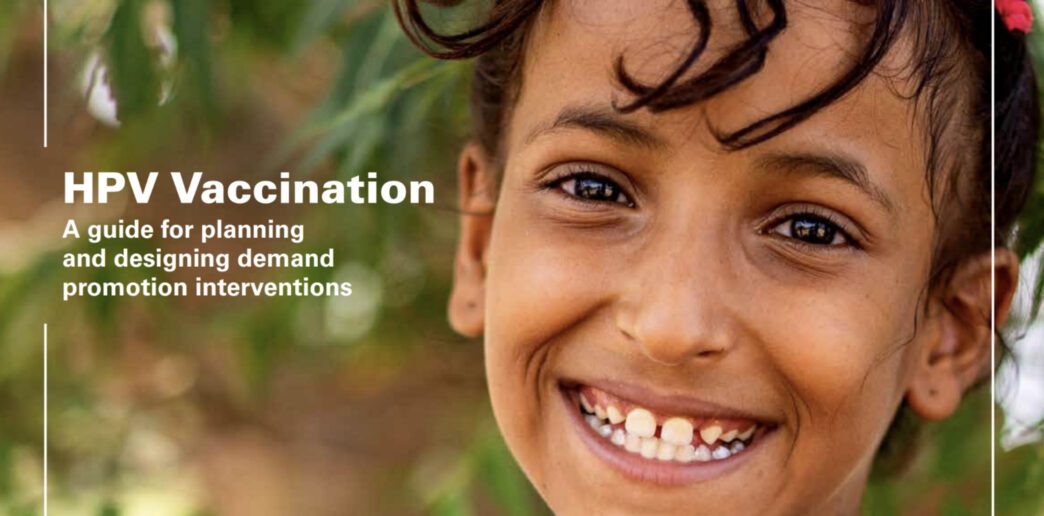
Pakistan has introduced the HPV vaccine into its national immunisation program to protect young girls from cervical cancer.
-
The campaign targets girls aged 9 to 14 years.
-
The government plans to reach around 13 million girls nationwide.
-
The rollout has begun in Punjab, Sindh, Islamabad, and Azad Jammu and Kashmir before expanding to other areas.
-
The campaign is being carried out with support from the World Health Organization (WHO), UNICEF, and Gavi, the Vaccine Alliance.
Health officials stress that the vaccine is a crucial step in reducing the number of cervical cancer cases, which cause thousands of deaths among women in Pakistan every year.
Safety of the Vaccine
Medical experts have repeatedly assured the public that the HPV vaccine is both safe and effective. It has already been used in more than 150 countries and is part of the routine immunisation schedule in many of them.
Possible minor side effects include:
-
Slight pain or redness at the injection site
-
Temporary fever
-
Mild headache or fatigue
These effects are short-lived and not considered dangerous. Serious side effects are extremely rare and are closely monitored wherever the vaccine is administered.
Why False Claims Are Harmful
Misinformation surrounding vaccines is not new, but its rapid spread through social media makes it more damaging than ever. Inaccurate claims can:
-
Undermine trust in public health programs
-
Causes unnecessary panic among families
-
Discourage parents from vaccinating their children
-
Slow down progress against preventable diseases
Health officials warn that sharing misleading content can undo years of work in improving immunisation coverage and protecting children from life-threatening illnesses.
Statements from Health Authorities
Officials from the Ministry of National Health Services and representatives of the WHO in Pakistan have strongly denied any link between the viral video and the vaccination drive.
One health official explained:
“The video being circulated online is unrelated to the HPV campaign. Parents should not be misled by social media rumors. The vaccine is safe, and it will protect our daughters from a cancer that claims far too many lives every year.”
How to Avoid Misinformation
Experts advise the public to adopt a cautious approach when encountering dramatic claims online. A few simple steps can help:
-
Verify whether the video or post is recent.
-
Check reliable news outlets or official health department statements.
-
Trust advice from doctors and healthcare professionals rather than unverified social media accounts.
-
Avoid resharing unconfirmed content, as it contributes to the spread of fear.
Conclusion
The viral video showing schoolgirls in distress has nothing to do with the HPV vaccination campaign. It was filmed months before the program began and shows the aftermath of tear gas used near a school in Azad Jammu and Kashmir.
Pakistan’s vaccination drive is an important initiative to protect millions of girls from cervical cancer. Experts urge families to support the program and to rely on credible sources for health information. Ignoring rumors and focusing on facts is the best way to ensure the success of this lifesaving effort.
It’s the second recent case where a health scare in Pakistan spread faster online than the facts could catch up — officials made a similar public correction after a Lahore teacher’s cardiac death was wrongly linked to a vaccine.
Our Opinion
Misattributing a year-old video of tear gas exposure to a brand-new vaccination campaign is a textbook case of how quickly an unrelated clip can attach itself to whatever health story is dominating the news cycle, and the speed of that spread is exactly why fact-checking alone often isn’t enough — by the time a correction circulates, the false version has usually already reached far more people. A vaccination program covering 13 million girls will keep facing this kind of friction, and health authorities would do well to get ahead of predictable misinformation patterns with proactive messaging rather than only responding after a false claim goes viral.