
A New Health Mission
Pakistan is getting ready for a big health mission.
From 13 to 19 October 2025, doctors and health workers will visit homes across the country.
Their goal is to give polio vaccine drops to more than 45 million children who are under five years old.
This is part of Pakistan’s fight to end polio forever.
What Is Polio?
Polio is a dangerous disease that can make children weak or unable to walk.
It spreads from one person to another through dirty hands, water, or food.
Once someone gets polio, there is no full cure.
But the good news is — it can be stopped with vaccine drops!
The vaccine protects children for life.
That is why doctors say,
“Two drops can save your child.”
You can read more about polio here on Wikipedia.
Why This Drive Is Important
Pakistan and Afghanistan are the only two countries where polio still exists.
Most of the world has already stopped this disease.
Doctors say that if Pakistan gives the drops to every child, polio can end soon.
But if even a few children are left out, the virus can spread again.
This is why the new campaign is so big and important.
Millions of Workers Ready
More than 350,000 health workers will take part in this campaign.
They will go house to house, even to faraway villages and mountain areas.
Some will travel on motorbikes, boats, and donkeys to reach every child.
A health worker named Aisha said,
“We want every child to be safe. Even one drop can make a big difference.”
Many workers are also mothers themselves. They know how much parents care for their children.
How the Campaign Works
When the campaign starts, workers will visit homes and schools.
They will carry a small blue box filled with vaccine bottles.
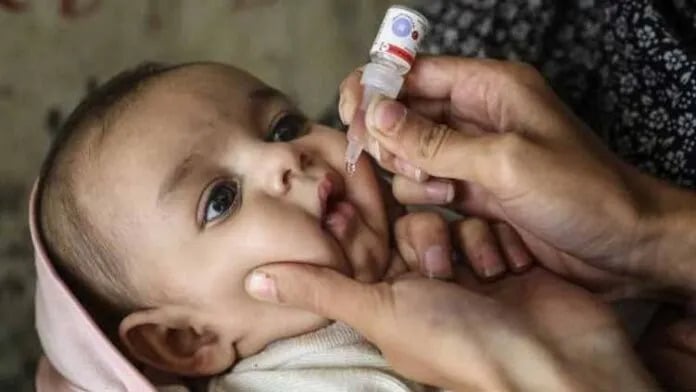
Each child will get two drops in their mouth — it is quick and painless.
After that, they mark one finger with purple ink so they know the child got the vaccine.
In some areas, special teams will also give Vitamin A drops.
Vitamin A helps children grow strong and protects them from other diseases.
Government and UNICEF Working Together
This big plan is being run by the Government of Pakistan with help from UNICEF, WHO, and the Bill & Melinda Gates Foundation.
A health official said,
“Polio is not only Pakistan’s problem. It is a global issue. Everyone is working together to end it.”
Parents Are Key
Doctors say parents play the most important role.
They should make sure their children get the drops every time the team comes.
Some parents are afraid or confused.
But health workers are talking to them to explain how safe the vaccine is.
One mother in Peshawar said,
“At first, I was scared. But now I know these drops protect my child. I tell my neighbors too.”
Schools and Mosques Helping
Schools, mosques, and community centers are also helping to spread the message.
Teachers are telling students to remind their parents.
Mosques are using loudspeakers to tell families when the health team will visit.
Posters and banners are up in markets and bus stations saying:
“End Polio, Save Our Future!”
The Challenge
Even with all the effort, some areas are still hard to reach.
In remote villages, bad roads and floods make travel slow.
In big cities like Karachi and Lahore, some families move often, so workers must find them again.
Health workers say they will not give up.
They want every child to get the drops, no matter where they live.
What Doctors Say
Doctors are hopeful.
Dr. Imran from Islamabad said,
“We are very close to ending polio. Just a little more hard work, and Pakistan will be polio-free.”
He also said children should keep washing their hands, drink clean water, and eat healthy food.
A Story from Balochistan
In a small town in Balochistan, a team walked many miles to reach a village.
There was no road, only hills and mud paths.
One worker said,
“It took us three hours to get there. But when we gave drops to all 50 children, it felt great. It was worth it.”
These stories show how much effort health workers are making.
Support from the People
Many people are joining this campaign.
Young volunteers are helping health teams find houses and record names.
Radio stations and social media pages are sharing safety tips.
On X (Twitter), people are using hashtags like #EndPolioNow and #HealthyPakistan.
Safety for Workers
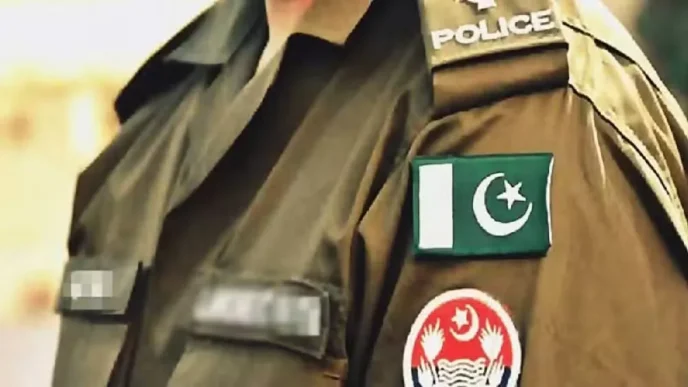
In some areas, health workers get police help for safety.
The government says it wants all workers to stay safe while they do this important job.
One police officer said,
“We are proud to protect them. They are protecting our children.”
Hope for the Future
Pakistan has reduced polio cases a lot in the last few years.
In 2019, there were more than 100 cases.
This year, there are 29 cases so far.
Health experts believe that with this new campaign, the number can go down to zero soon.
What Families Can Do
If you are a parent or guardian, here’s what you can do:
-
Give your child the drops every time.
-
Do not believe fake news about vaccines.
-
Keep your home and water clean.
-
Tell others to let the team give drops to their kids too.
Together, everyone can make Pakistan free from polio.
A Message from a Child
Eight-year-old Sara from Lahore said,
“I got my drops and told my little brother too. Now we are strong!”
Children like Sara are the reason this campaign is so special.
Ending Polio Means a Healthier Pakistan
Polio is a small virus, but it has hurt many families for years.
Now, Pakistan has a big chance to end it forever.
Every drop counts.
Every visit matters.
Every child protected brings the country one step closer to a bright, healthy future.
Our Opinion
Reducing polio cases from over 100 in 2019 to 29 this year is genuine progress, and reaching 45 million children through house-to-house visits is a logistical undertaking few health systems attempt at this scale. Pakistan and Afghanistan remaining the only two countries where the disease persists means the margin for complacency is thin — as the campaign itself acknowledges, missing even a small number of children lets the virus keep circulating, so sustaining this same intensity of effort in hard-to-reach areas over the coming years, not just for this one campaign, will determine whether Pakistan actually reaches zero.