
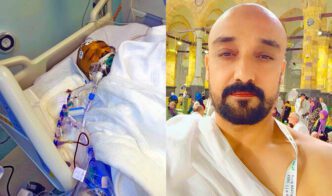
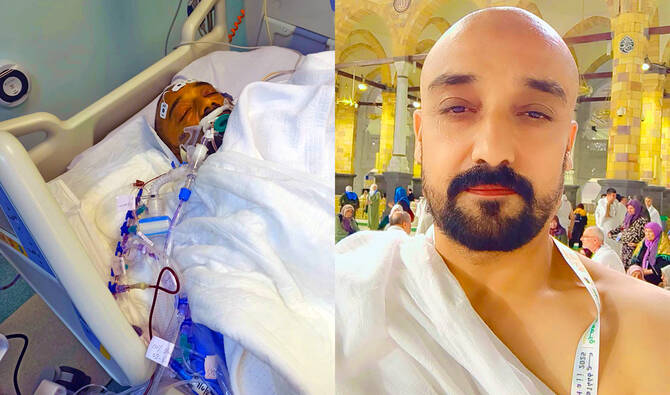
A 42-year-old Pakistani pilgrim made a remarkable recovery after suffering five heart attacks during this year’s Hajj pilgrimage, thanks to rapid medical intervention and advanced treatment.
Due to intense heat and the physically demanding nature of Hajj, many pilgrims faced severe health issues this season. Among the most critical was the case of a Pakistani man who experienced multiple cardiac arrests while fulfilling the religious rituals.
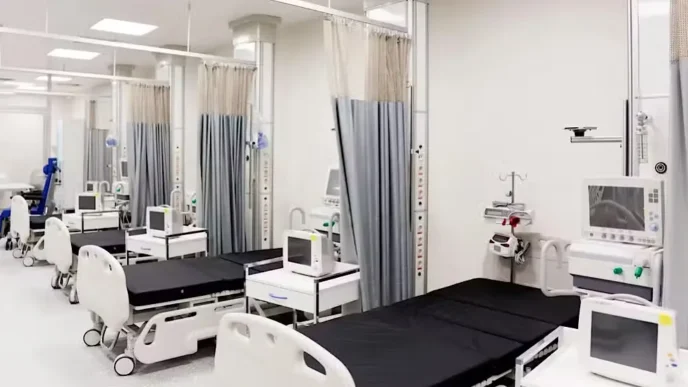
He was immediately taken to East Arafat Hospital in serious condition, where emergency doctors stabilized him. However, his health remained fragile, and he was placed on a ventilator for life support.
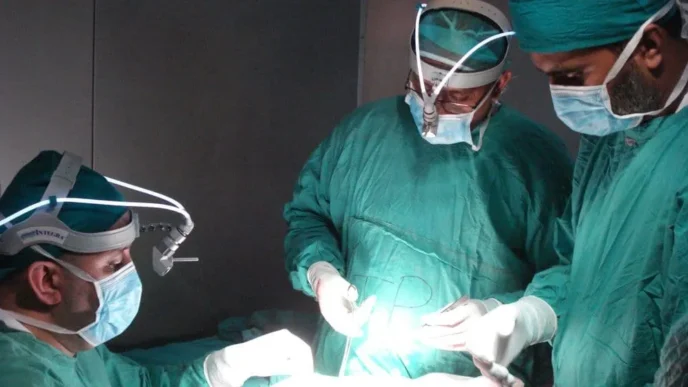
For further treatment, he was airlifted to King Abdullah Medical City in Makkah, where specialists performed an angioplasty to clear blocked arteries. To support his heart function, doctors also implanted an Impella device, a mechanical pump that assists with blood circulation.
After continuous treatment and monitoring, the patient began to recover and was discharged from the hospital on June 17.
This extraordinary case underscores the importance of advanced emergency care during Hajj, especially when dealing with heat-related illnesses and heart conditions among pilgrims.
Back home, the same kind of rapid cardiac response is exactly what Punjab Police’s new medical aid fund is designed to help officers and their families afford.
Our Opinion
This case is a genuine advertisement for the emergency medical infrastructure Saudi Arabia has built around Hajj, and a reminder that older or physically vulnerable pilgrims undertaking a demanding pilgrimage in extreme heat face real cardiac risk that more thorough pre-travel medical screening in Pakistan could help flag before departure. A story like this is a good moment for the relevant authorities to revisit whether pre-Hajj health checks are as thorough as they should be, rather than relying on outcomes this dramatic to end well.