
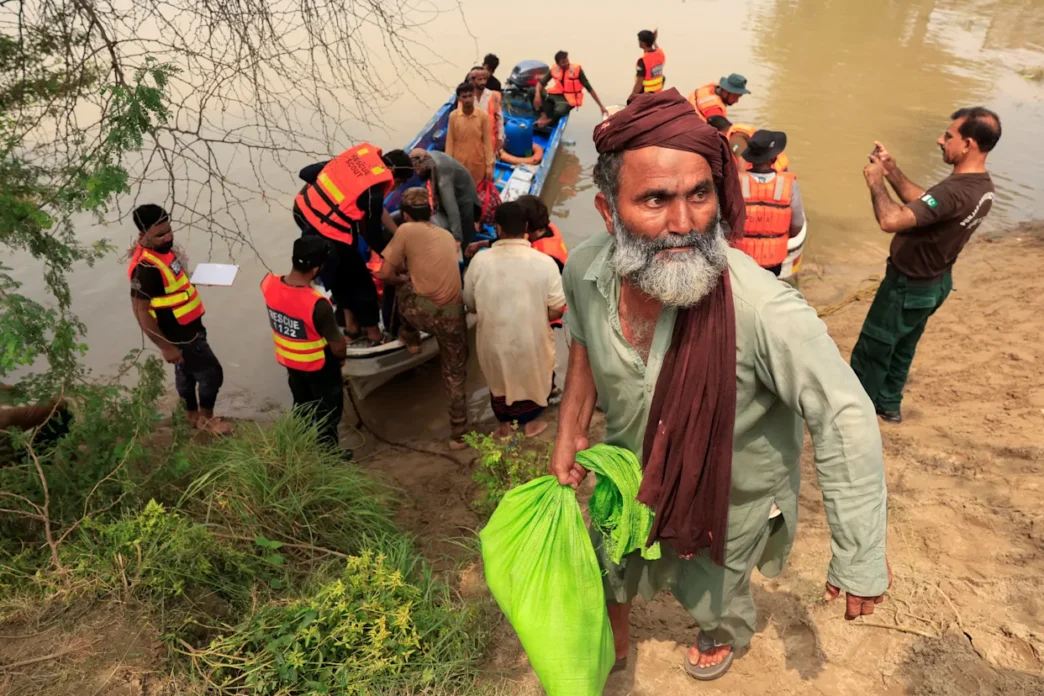
After the Floods, a New Fear
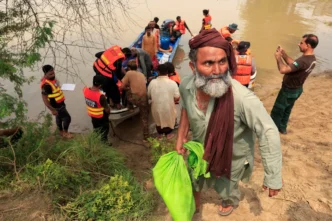
The water came fast, sweeping through villages, breaking roads, and drowning fields. Families rushed out with whatever they could carry. Now the rain has stopped, but the disaster is not over. A new danger is growing — cholera.
Health workers in Sindh and Punjab say they are seeing more diarrhea cases every day. Most of them are children. Dirty water is the main reason.
“We Just Drink What We Get”
In a relief camp near Sukkur, a mother named Zainab held her son close. The child looked weak and tired.
“We do not have clean water. We just drink what we get. My son has been sick for two days. I am scared it is cholera,” she said.
Many families in the camp share the same story. They wait for tankers, but the supply is never enough. Some people even drink from the floodwater.
Why Cholera Spreads After Floods
Doctors explain it simply. Floods mix sewage with drinking water. People living in crowded camps use the same places for bathing, cooking, and washing clothes. There are not enough toilets. Germs spread fast in these conditions.
Cholera causes vomiting and watery diarrhea. If not treated quickly with clean fluids, it can kill.
Government’s Struggle
Officials admit the situation is serious. They have sent water trucks, but the demand is too high. Mobile clinics are moving into affected towns, but many roads are still broken.
One officer in Sindh said:
“We are trying, but the scale of the disaster is huge. We need more resources and international help.”
Awareness teams are also telling families to boil water before drinking. But many people have no fuel, no stoves, and no pots left.
Memories of Past Floods
Older villagers remember the 2010 and 2022 floods. Both times, cholera spread quickly in camps. Survivors fear the same story is about to repeat.
A farmer from Khairpur, named Karim, shared his worry:
“We lost our home in the flood. Now we hear about disease. We have nothing left to fight it.”
Children in Danger
Children are suffering the most. Their bodies lose water faster, and they cannot fight infection like adults. Doctors say the number of sick children is rising.
At a clinic in Punjab, a nurse showed a packet of oral rehydration salts (ORS).
“This simple mixture can save lives. But we don’t have enough for everyone,” she explained.
Aid Groups on the Ground
NGOs are giving out water purification tablets and soap. Volunteers go tent to tent, telling people how to stay safe. But the need is far greater than the supply.
An aid worker in Sindh said:
“We help hundreds, but thousands are still waiting. Every day feels like a race against time.”
The Bigger Picture
Experts link these repeated disasters to climate change. Rising temperatures and heavier rains mean Pakistan will face more floods in the future. Without better systems for clean water and health care, the country will see more cholera outbreaks again and again.
What Needs to Be Done
Health experts say the following steps are urgent:
-
More tankers and filters to supply clean water.
-
More doctors and medicine in camps.
-
ORS packets for every family.
-
Cholera vaccines in the worst-hit areas.
-
Long-term investment in sanitation and hospitals.
The Human Side of Numbers
Behind every statistic is a real story. Families who lost their homes now sit in broken schools and open fields. Children cry for food and water. Parents stay awake all night, fearing their children may fall sick.
One father in Balochistan said quietly:
“We survived the flood. I only pray we survive the days ahead.”
A Call for Global Help
Local groups are trying, but the challenge is massive. International agencies like WHO and UNICEF are already active, yet more help is needed. Money, medicine, and clean water can make the difference between life and death.
Conclusion
The floods destroyed homes. Now, cholera threatens lives. This double disaster shows how fragile life has become in Pakistan’s flood zones.
The people need more than sympathy. They need quick action — water, medicine, and care. Without it, another tragedy will rise from the waters.
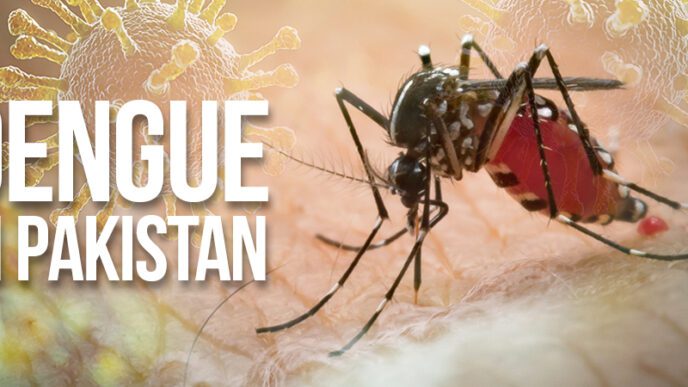
The cholera outbreak follows a similar pattern to Karachi’s ongoing dengue surge — both trace back to standing floodwater and municipal cleanup that hasn’t kept pace with the monsoon.
Our Opinion
Officials openly admitting that water-truck supply can’t keep up with demand is a more useful kind of honesty than the alternative, but acknowledging a shortfall is not the same as closing it, and the repeated pattern here — 2010, 2022, and now this outbreak all following the same flood-to-cholera trajectory — is the real story. Pakistan’s disaster response keeps proving effective at reacting to floods and slower at building the permanent clean-water and sanitation infrastructure that would prevent this exact cycle from recurring every few years.